How Proper Slope and Soil Leveling Protect Your Home From Water Damage
The key benefits of land grading for property drainage solutions are simple. It helps move water away from your home, reduces soil erosion, protects your foundation, and prevents standing water in your yard. When the ground slopes the right way, rainwater flows where it should instead of pooling near your house. This keeps your property safer and easier to maintain.
What You Need Before Starting
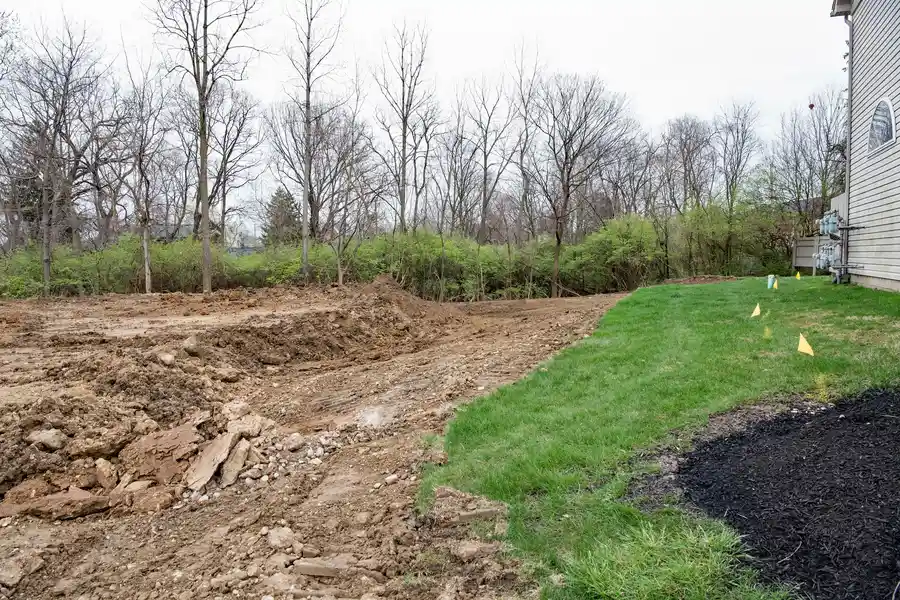
Before starting any land grading project, you need a clear plan. Look at how water moves across your yard after heavy rain. Notice where puddles form and where soil washes away. Check the slope around your home’s foundation.
You may need:
- A basic site plan or sketch of your yard
- Soil testing to understand drainage speed
- Wood stakes and string to measure slope
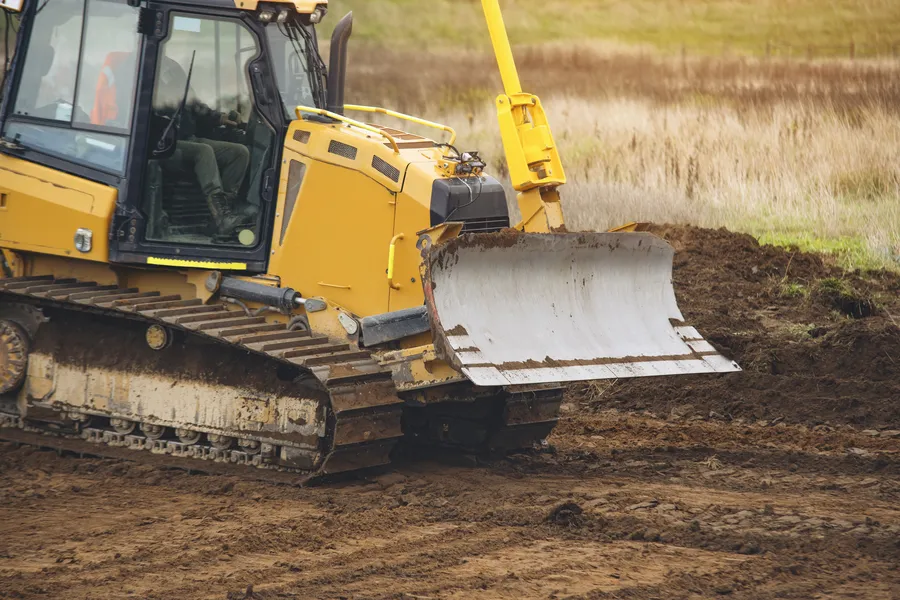
- Access to proper equipment like a skid steer or tractor
- Knowledge of local building codes if major grading is required
Small areas can sometimes be reshaped by hand. Larger projects often need professional equipment.
Step-by-Step Process for Better Drainage
Land grading follows a clear process. Each step helps create steady water flow away from structures.
- Inspect the property after rainfall to locate problem spots.
- Measure the current slope around the foundation. Most homes need the soil to drop several inches within the first few feet.
- Remove excess soil from high areas and fill in low spots near the home.
- Compact the soil to reduce future settling.
- Shape the surface to guide water toward safe drainage areas like swales or storm drains.
- Add topsoil and reseed grass to stabilize the surface.
Each step builds on the last. Skipping soil compaction, for example, can cause new low spots later.
Common Mistakes to Avoid
Even small grading changes can create bigger issues if done wrong. One common mistake is creating a slope that sends water toward a neighbor’s yard. Another is piling soil too high against the siding of your home, which can trap moisture.
People also forget to check underground utilities before digging. Hitting a water or gas line can be dangerous and costly.
Poor planning can also lead to overgrading. This strips away too much topsoil and makes it harder for grass to grow. Without healthy grass, erosion starts again.
When to Call a Professional
Some jobs are too large or complex for basic tools. If your property has major slope problems, ongoing basement leaks, or heavy clay soil, professional land grading may be the safest option.
Drainage issues connected to foundation cracks or serious erosion also require expert help. A skilled team can design a grading plan that works with other drainage solutions like french drains or catch basins.
Professionals also use laser levels and compacting equipment to create precise slopes. This helps prevent repeat problems.
Final Recommendation and Next Steps
Good drainage protects your home’s structure and your outdoor space. Land grading is one of the most effective ways to control water runoff and reduce long-term damage. Small corrections now can prevent expensive repairs later.
If you are dealing with standing water or soil erosion in Sebastian, FL, our team can help evaluate your property and recommend the right solution. At J Land Clearing and Tractor Services, we focus on practical grading plans that direct water away from your home and protect your investment. Call us at (772) 304-2431 to schedule an assessment and let us improve your drainage the right way.